
Trach Tomas
His secretions are thick, his saturation is dropping, and the safest suction is the shortest one
Try 5 free Respiratory questions
Try a free question
Answer it, read the rationale, then keep practicing Tracheostomy & Suctioning Safety: Oxygenate First, Suction Out Only — free.
Want Trach Tomas and all 158 characters on paper?
The Recall Binder collects every story, 659 flashcards and 580 practice questions in one printable PDF.
See the Recall BinderMeet the character
Trach Tomas
Tracheostomy & Suctioning Safety: Oxygenate First, Suction Out Only
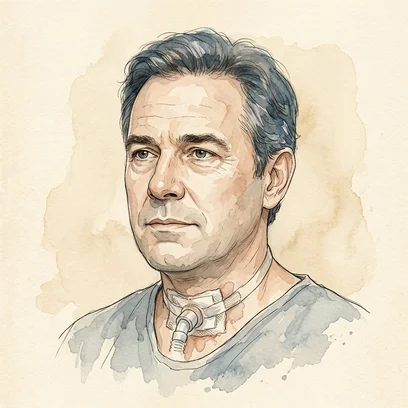
His secretions are thick, his saturation is dropping, and the safest suction is the shortest one
Tomas's breathing turns gurgly and his oxygen saturation slips to 88%. The nurse reaches for suction — and follows every step in order.
mnemonurse.com
The story
Tomas's breathing turns gurgly and his oxygen saturation slips to 88%. The nurse reaches for suction — and follows every step in order.
Tomas breathes through a tracheostomy. Suctioning clears secretions but also removes oxygen, so the rules protect against hypoxia: hyperoxygenate first, use sterile technique, insert WITHOUT suction, apply intermittent suction only while withdrawing, limit each pass to about 10 seconds, and allow rest between passes. Suction only when indicated — noisy wet breathing, visible secretions, desaturation — not on a fixed schedule. Keep an obturator and a spare tracheostomy tube of the same size at the bedside. If the tube is dislodged, hold the stoma open and call for help immediately; if it is obstructed, suction, and if that fails, this is an emergency.
The full story of Trach Tomas
Tomas is a retired opera singer whose booming baritone once filled concert halls, now living with a permanent tracheostomy after a severe laryngeal cancer required total laryngectomy, a cruel irony his nurses gently acknowledge while caring for the very airway that silenced his singing voice. His tracheostomy bypasses his upper airway entirely, meaning the air he breathes is no longer naturally warmed, humidified, or filtered the way it once was passing through his nose and pharynx. Without that natural conditioning, Tomas's secretions thicken considerably, requiring more frequent suctioning to keep his airway clear. Yet suctioning itself is a double-edged intervention: while it removes dangerous secretions, it simultaneously removes oxygen from his airway and stimulates his vagus nerve, meaning prolonged or repeated suction passes risk producing hypoxemia and bradycardia rather than helping him at all.
Tomas lives at home with his tracheostomy and manages his own care independently most days, but he is admitted to the hospital with a respiratory infection that has thickened his secretions dramatically beyond his usual baseline. His nurse notices during morning assessment that his secretions have become tenacious and difficult to clear even with his usual home suctioning technique, and his oxygen saturation, typically a stable 96 percent on room air, has been trending downward toward 91 percent over the past several hours. Tomas, an experienced self-advocate after years of living with his tracheostomy, tells the nurse plainly that he feels like he simply cannot get enough air no matter how hard he tries to cough and clear his airway himself.
During a suctioning attempt later that shift, the nurse becomes distracted helping a colleague and holds continuous suction for nearly twenty-five seconds rather than the recommended maximum, watching Tomas's oxygen saturation plummet rapidly to 84 percent on the monitor while his heart rate drops from 88 down to 58 beats per minute. Tomas's face visibly pales and he begins gesturing urgently for the nurse to stop. This dangerous combination of hypoxemia and vagally mediated bradycardia is a textbook consequence of an overly prolonged suction pass, and it demonstrates exactly why the timing and technique of tracheostomy suctioning carries as much clinical weight as the decision to suction at all.
The nurse immediately withdraws the catheter and applies 100 percent supplemental oxygen, hyperoxygenating Tomas thoroughly before considering another attempt. She waits until his saturation climbs back above 95 percent and his heart rate normalizes before resuming, and when she does suction again she limits the pass strictly to under fifteen seconds, applying suction only during withdrawal of the catheter rather than on insertion. Between passes she reoxygenates him fully again, and she limits the total episode to no more than three passes to avoid cumulative mucosal trauma and repeated oxygen desaturation. She keeps a spare tracheostomy tube and obturator visible at his bedside at all times, reinforcing the ever-present possibility of accidental decannulation.
Remember Trach Tomas whenever an NCLEX question involves tracheostomy suctioning: his opera career reminds you that the airway itself, not just the voice, is what nursing care must protect above all else. Lock in the numbers, suction applied only on withdrawal, each pass under fifteen seconds, no more than three passes per episode, with hyperoxygenation before and between every attempt. Remember that a dropping oxygen saturation and slowing heart rate during suctioning mean stop immediately and oxygenate, never push through to finish the job. And whenever a question mentions a spare tracheostomy tube and obturator at the bedside, know that Tomas's story is teaching you to always prepare for accidental decannulation before it ever happens.
Story arc
The setup
After prolonged ventilation, Tomas receives a tracheostomy and is learning to live with it.
The turn
His breathing becomes wet and rattly, and his saturation drifts down.
The crisis
Mid-suction his saturation falls further and his heart rate drops. The nurse withdraws the catheter and re-oxygenates.
The save
Tomas is hyperoxygenated, suctioned only on withdrawal, allowed to rest, and his stoma care is done with a spare tube ready at the bedside.
0 of 4 story beats read (0%)Saved on this device — sign in to sync
More characters

Acidotic Andy
Metabolic Acidosis

Alkalotic Alice
Metabolic Alkalosis

Retaining Ray
Respiratory Acidosis

Panicking Pam
Respiratory Alkalosis

Potassium Pete
Hyperkalemia

Low-K Lena
Hypokalemia

Salty Sal
Hypernatremia

Diluted Dana
Hyponatremia / SIADH
Chvostek Chuck
Hypocalcemia

Stony Stella
Hypercalcemia

Magnesium Maggie
Magnesium Imbalance

Septic Sam
Distributive Shock

Pumpless Paul
Cardiogenic Shock

Bleeding Bea
Hypovolemic Shock

Anaphylactic Ana
Anaphylaxis

Embolic Emma
Pulmonary Embolism

Rigid Rita
ARDS

Wheezing Wanda
Asthma Exacerbation

Consolidated Carl
Pneumonia

Vented Vince
Mechanical Ventilation

Ketone Kyle
Diabetic Ketoacidosis

Hyperosmolar Hank
Hyperosmolar Hyperglycemic State

Shaky Shawna
Hypoglycemia

Storming Tori
Thyroid Storm

Sluggish Myra
Myxedema Coma

Addison Ada
Adrenal Crisis

Cushing Cora
Cushing's Syndrome

Dry Dwayne
Diabetes Insipidus

Pressured Priya
Increased Intracranial Pressure

Stroke Stan
Ischemic Stroke

Seizing Simone
Seizures & Status Epilepticus

Failing Frank
Heart Failure

Infarcting Ivan
Myocardial Infarction

Fibrillating Fay
Atrial Fibrillation

Warfarin Wally
Anticoagulation

Ammonia Amy
Cirrhosis & Hepatic Encephalopathy

Anuric Alan
Acute Kidney Injury

Digoxin Dot
Digoxin Toxicity

Preeclamptic Penny
Preeclampsia & Magnesium Sulfate

Pancreatic Pablo
Acute Pancreatitis

Sober Sully
Alcohol Withdrawal & Delirium Tremens

Manic Mia
Bipolar Mania & Lithium Toxicity

Voices Victor
Schizophrenia & Antipsychotic Side Effects (EPS, NMS, tardive dyskinesia)

Sinking Sadie
Major Depression & Suicide Risk

Flashback Felix
PTSD & Panic Disorder

Narcan Nate
Opioid Overdose & Withdrawal

Mirror Mila
Anorexia Nervosa & Refeeding Syndrome

Serotonin Sylvia
Serotonin Syndrome

Wheezy Winnie
Bronchiolitis & RSV

Sickled Simon
Sickle Cell Vaso-Occlusive Crisis

Cystic Cassie
Cystic Fibrosis

Strawberry Kai
Kawasaki Disease

Telescope Tommy
Intussusception

Droopy Dani
Infant Dehydration & Gastroenteritis

Leaded Liam
Lead Poisoning

Gushing Gwen
Postpartum Hemorrhage & Uterine Atony

Previa Paula
Placenta Previa

Abrupting Abby
Placental Abruption

Sugary Selena
Gestational Diabetes

Decel Dina
Fetal Heart Rate Decelerations & Intrapartum Monitoring

Yellow Yusuf
Newborn Hyperbilirubinemia & Phototherapy

Cord Callie
Umbilical Cord Prolapse

Feverish Fiona
Postpartum Infection & Mastitis

Neutropenic Nia
Neutropenia & Chemotherapy Precautions

Lysing Luis
Tumor Lysis Syndrome

Transfusing Tina
Blood Transfusion Reactions

Clotless Clara
Disseminated Intravascular Coagulation

Pale Priscilla
Iron Deficiency Anemia

Spore Sean
Clostridioides difficile & Isolation Precautions

CD4 Hana
HIV & Opportunistic Infections

Butterfly Bella
Systemic Lupus Erythematosus

Compartment Cody
Fractures & Compartment Syndrome

Reflexive Rex
Spinal Cord Injury & Autonomic Dysreflexia

Myasthenic Marge
Myasthenia Gravis & Myasthenic Crisis

Tremor Tomas
Parkinson's Disease

Barrel Bart
COPD

Tarry Tara
Upper GI Bleed & Peptic Ulcer Disease

Blocked Bruno
Bowel Obstruction

Crisis Camila
Hypertensive Crisis

Aneurysm Arturo
Abdominal Aortic Aneurysm

Claudicating Clara
Peripheral Arterial Disease vs Venous Insufficiency

Endocarditis Eli
Infective Endocarditis

Pericardial Pearl
Pericarditis & Cardiac Tamponade

Valve Vera
Valvular Heart Disease & Rheumatic Fever

Paced Pia
Pacemakers & ICDs

Clotted Cliff
Deep Vein Thrombosis & VTE Prevention

Appendix Annie
Appendicitis & Peritonitis

Gallstone Gina
Cholecystitis & Cholelithiasis

Crohn's Colin
Inflammatory Bowel Disease (Crohn's vs Ulcerative Colitis)

Diverticular Dee
Diverticulitis

Hepatitis Hugo
Viral Hepatitis A, B & C

Dialysis Dina
Chronic Kidney Disease & Hemodialysis

Kidney Kwame
UTI & Pyelonephritis

Prostate Percy
BPH & TURP Care

Burned Bella
Burns & Fluid Resuscitation

Ulcer Uma
Pressure Injury Staging & Prevention

Confused Connie
Delirium vs Dementia & Restraint Alternatives

Delegating Deb
Delegation, Assignment & Scope of Practice

Insulin Ike
Insulin Types, Peaks & Administration Safety

Triage Theo
Disaster Triage & Prioritization

Consent Carmen
Informed Consent, Advance Directives & Privacy

ACE Angie
ACE Inhibitors: Cough, Angioedema & Hyperkalemia
Beta Betty
Beta Blockers: Apical Pulse, Masked Hypoglycemia & Rebound

Lasix Larry
Loop Diuretics: Hypokalemia & Ototoxicity

Lithium Lila
Lithium: Therapeutic Levels, Toxicity & Sodium Balance

Tyramine Tessa
MAOIs & the Tyramine Hypertensive Crisis
Nitro Nina
Nitroglycerin: Sublingual Rules, Headache & Dangerous Combinations

Heparin Holly
Heparin: aPTT, Protamine Sulfate & HIT

Phenytoin Phil
Phenytoin: Narrow Range, Nystagmus & Gummy Smiles

Rhabdo Rory
Rhabdomyolysis: Tea-Colored Urine, Potassium & Kidney Rescue

Osteo Opal
Osteoporosis: Silent Bone Loss, Fall Prevention & Bisphosphonates

Glaucoma Gloria
Glaucoma: Silent Peripheral Loss vs Acute Angle-Closure Emergency

Meningitis Mia
Bacterial Meningitis: Stiff Neck, Droplet Precautions & Rapid Antibiotics

Sclerosis Sadie
Multiple Sclerosis: Demyelination, Relapses & Heat Intolerance
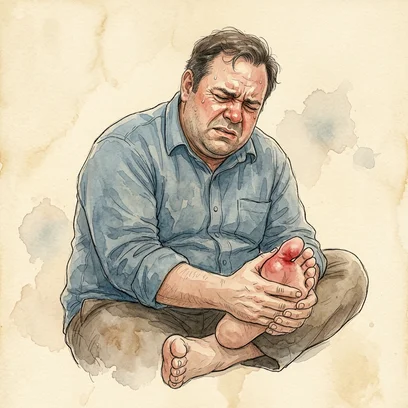
Gout Gus
Gout: Uric Acid Crystals, the Angry Big Toe & Purine Teaching

Meniere Mira
Meniere's Disease: Vertigo, Tinnitus & Hearing Loss

Rheumatoid Rosa
Rheumatoid Arthritis: Symmetric Joints, Morning Stiffness & DMARDs

Obsessive Owen
OCD: Obsessions, Compulsions & Anxiety Relief

Hyperemesis Hazel
Hyperemesis Gravidarum: Vomiting, Ketones & Dehydration

Mastitis Mabel
Mastitis: Flu-Like Fever, a Red Wedge & Keep Nursing

Nephrotic Nolan
Childhood Nephrotic Syndrome: Puffy Eyes, Frothy Urine & Protein Loss

Phosphate Franklin
Phosphorus Imbalance: The Calcium See-Saw & Binders With Meals

Overloaded Olive
Fluid Volume Overload: Crackles, Bounding Pulse & Stop the Infusion

Collapsing Callum
Tension Pneumothorax & Chest Tubes: Tracheal Deviation and the Water Seal
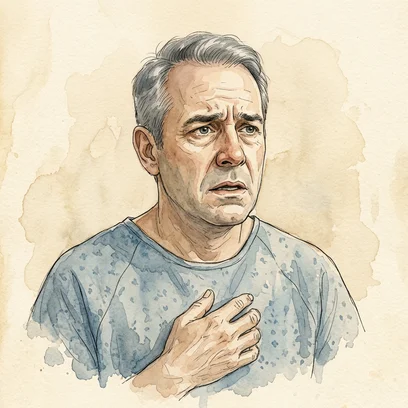
Ascending Abe
Guillain-Barré Syndrome: Weakness That Climbs Toward the Lungs

Sundowning Sid
Alzheimer's Disease: Sundowning, Safety and Calm Redirection

Quarantined Quinn
Tuberculosis: Airborne Precautions, Rifampin and the Orange Secret

Croupy Cora
Croup vs Epiglottitis: The Barking Cough and the Child You Never Lie Down

Fractured Frida
Hip Fracture & Fat Embolism: The Shortened Leg and the Confusion That Follows
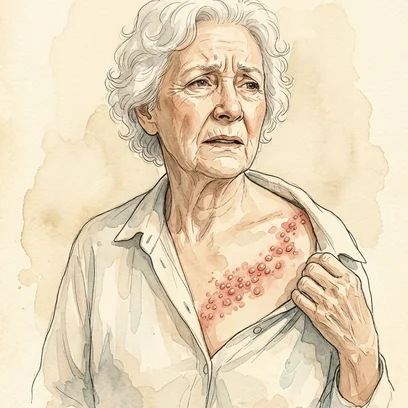
Shingles Sheila
Herpes Zoster: The One-Sided Band of Blisters and Airborne Rules
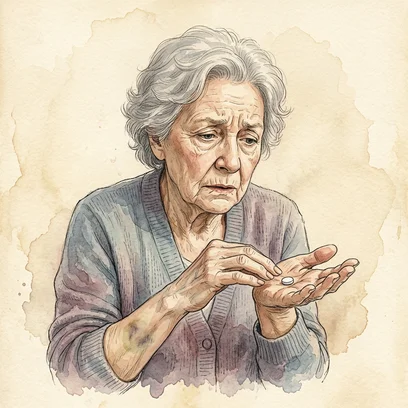
Warfarin Winnie
Warfarin & INR: Vitamin K, Bleeding Precautions and the Salad Problem

Slow-Drip Delia
IV Potassium Safety: Never Push, Always Dilute, Always Pump

Central Line Cesar
Central Lines & Air Embolism: Clamp It, Position It, Protect It

Infiltrated Ivy
Infiltration vs Extravasation vs Phlebitis: Cool and Swollen or Red and Warm

Feeding Fiona
Enteral Feeding & Aspiration Prevention: Head of Bed Up, Placement Verified
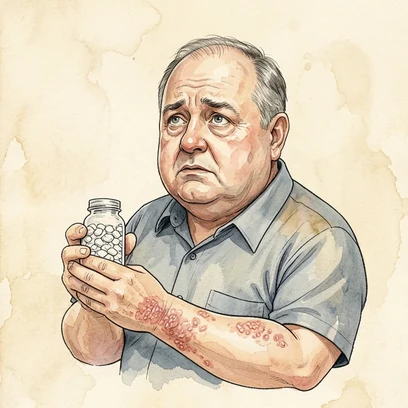
Steroid Stan
Corticosteroid Therapy: Never Stop Abruptly, Watch Sugar and Hidden Infection

Levo Lucy
Levothyroxine: Empty Stomach, Same Time, Lifelong — and the Signs of Too Much

Vanco Vera
Vancomycin: Slow the Infusion, Watch the Trough, Protect the Kidneys and Ears
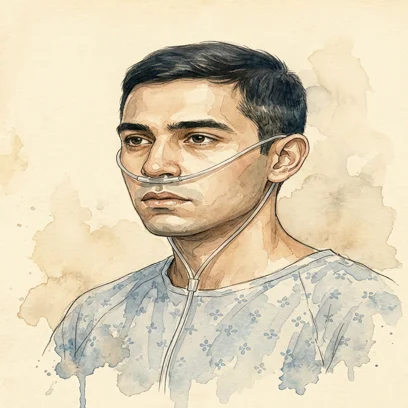
Oxygen Omar
Oxygen Delivery Devices: Matching the Mask to the Need — and Fire Safety

Post-Op Priya
Postoperative Complications: The Day-by-Day Timeline Every Nurse Watches

PCA Pablo
PCA & Opioid Safety: Only the Patient Presses the Button

Restraint Rita
Restraints & Fall Prevention: Least Restrictive First, and the Order Rules

Vaccine Vivian
Immunizations: Live Vaccines, Real Contraindications and the Reactions to Expect

TPN Tessa
Total Parenteral Nutrition: High Sugar, Central Line, and Never Stop It Suddenly

Listening Theo
Therapeutic Communication: What to Say, and What Never to Say

Milestone Maya
Growth, Development and Age-Appropriate Safety

Labor Lena
Stages of Labor and the Normal Newborn Assessment

Screening Sam
Cancer Warning Signs and Screening Teaching

Pressure Pam
Antihypertensive Classes: Orthostatic Safety and Client Teaching

Ectopic Erica
Ectopic Pregnancy: The Pain on One Side and the Shoulder That Screams Rupture

Tet Spell Tilda
Tetralogy of Fallot: The Blue Spell and the Squat That Saves It
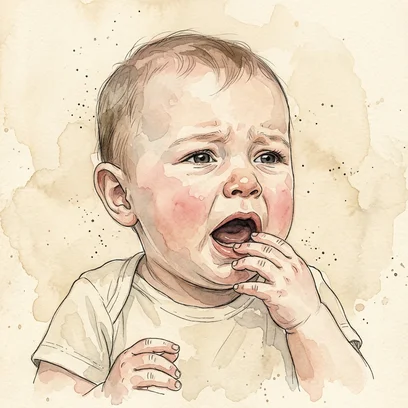
Pyloric Piper
Pyloric Stenosis: The Olive, the Fountain and the Hungry Baby

Phantom Petra
Amputation Care: The Limb That Is Gone but Still Hurts

Glomerular Greta
Post-Streptococcal Glomerulonephritis: The Tea-Colored Urine After the Sore Throat

B12 Bianca
Pernicious Anemia: The Beefy Red Tongue and the Wobbly Walk

Retinal Rhea
Retinal Detachment: The Curtain, the Flashes and the Painless Emergency

Ostomy Oscar
Ostomy Care: The Rose-Red Stoma and the Skin That Must Stay Whole
Unlock all 158 characters
Unlock all 158 characters — see passes